
In recent years, the landscape of mental health care has undergone a massive transformation. While the traditional image of therapy—sitting on a comfortable couch in a quiet, warmly lit office—remains a powerful and effective standard, it is no longer the only path to healing. For many residents navigating busy schedules, harsh Alberta winters, or long commutes, accessing that traditional office can be a barrier to getting help.
Enter telepsychology. Specifically, phone counselling has emerged not just as a temporary alternative, but as a highly preferred, evidence-based modality for mental health treatment.
If you have been considering reaching out for professional support but are hesitant about the logistics of in-person appointments, you might be wondering if remote options are truly effective. In this comprehensive guide, we will explore The Benefits of Phone Counselling Sessions with an Edmonton Psychologist, examining the clinical research, the practical advantages, and why working with an experienced professional over the phone can be the catalyst for profound personal growth.
The Evolution of Mental Health Care in Alberta

For decades, the standard protocol for receiving mental health care required living in close physical proximity to a clinic. If you resided in a rural community outside of Edmonton, or even in a suburb with heavy Anthony Henday traffic, committing to weekly therapy meant sacrificing hours of your day.
Furthermore, the physical act of going to a psychology clinic carried an unwarranted social stigma for many years. People worried about running into someone they knew in the waiting room or having their car recognized in the parking lot. These logistical and social barriers meant that countless individuals silently struggled with anxiety, depression, trauma, and life transitions rather than seeking the professional help they deserved.
The advent of telepsychology—which encompasses both video and telephone counselling—shattered these barriers. Research accelerated by global shifts in healthcare delivery over the past few years has definitively shown that the delivery method of therapy is secondary to the therapeutic alliance (the relationship and trust between the client and the psychologist).
Today, connecting with a Registered Psychologist in Edmonton via phone is recognized by major psychological associations as a robust, legitimate, and highly effective form of treatment.
What Exactly is Phone Counselling?
Phone counselling (also known as teletherapy, telepsychology, or telephone therapy) is exactly what it sounds like: engaging in standard, professional psychotherapy sessions with a licensed psychologist over a voice call.
It is important to differentiate professional phone counselling from crisis hotlines. While 24/7 crisis lines (like the distress line or 811 in Alberta) are vital for immediate, short-term emergency support, professional phone counselling is an ongoing therapeutic process.
When you book a phone session with an established clinic, you are receiving the exact same evidence-based interventions—such as Cognitive Behavioral Therapy (CBT), Solution-Focused Therapy, or stress management techniques—that you would receive sitting across from the therapist in their office. The only difference is the medium of communication. Sessions are typically scheduled for 50 to 60 minutes, treatment plans are developed, and progress is tracked week by week.
The Science: Is Phone Therapy Actually Effective?
A common reservation people have about phone counselling is the fear that it might be a “watered-down” version of real therapy. They worry that without eye contact or body language, the psychologist will not be able to understand or help them effectively.
However, decades of peer-reviewed clinical research completely debunk this myth.
Studies published in journals curated by the American Psychological Association and the National Institutes of Health (NIH) have consistently demonstrated that telephone-delivered psychotherapy yields results that are highly comparable to traditional in-person therapy.
Key Clinical Findings on Telepsychology:
- Symptom Reduction: Research shows that for common mental health concerns like depression, generalized anxiety, and adjustment disorders, clients participating in telephone counselling experience the same level of symptom reduction as those attending in-person sessions.
- Long-Term Maintenance: The improvements made during phone therapy are lasting. Studies tracking clients six months to a year after concluding telephone CBT found that they maintained their progress just as well as their in-person counterparts.
- Higher Completion Rates: Interestingly, several studies note that clients utilizing phone therapy actually have lower dropout rates. Because the logistical barriers are removed, clients are more likely to attend all their scheduled sessions and complete their full treatment plan.
- Equitable Therapeutic Alliance: Questionnaires measuring the strength of the bond between therapist and client consistently show that a strong, trusting, and empathetic relationship can be built entirely over the phone.
Top 5 Benefits of Phone Counselling in Edmonton
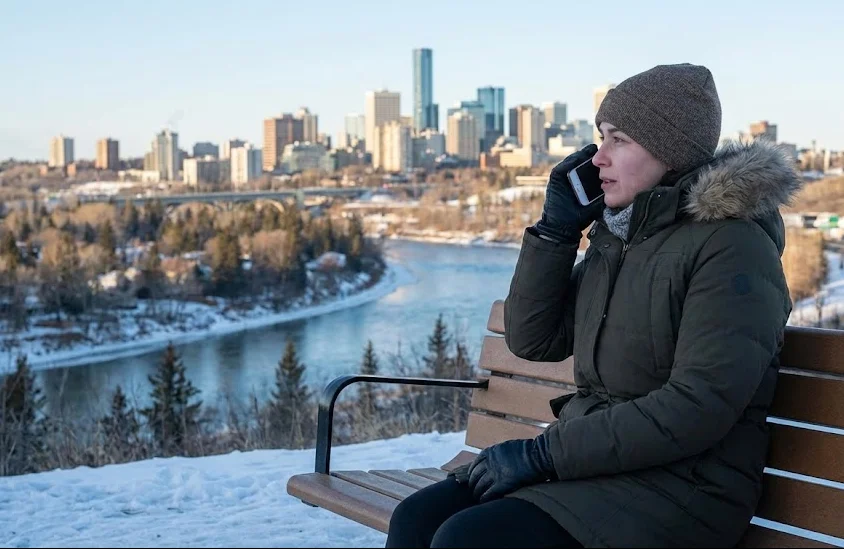
Choosing to engage in telephone sessions offers a unique set of advantages that cater perfectly to modern lifestyles and specific geographical challenges. Here are the top five benefits of choosing phone counselling with an Edmonton psychologist.
1. Unmatched Convenience and Accessibility
This is perhaps the most immediate and tangible benefit. Edmonton is a sprawling city, and navigating it can be stressful—especially during the long, icy winter months.
When you utilize phone counselling, your commute time is reduced to zero. You do not need to warm up the car, brave the Whitemud Drive during rush hour, find parking in Strathcona, or arrange for child care while you commute. You simply ensure you are in a quiet, private space and answer the phone at your scheduled appointment time.
This accessibility is also a game-changer for individuals living in rural Alberta or smaller communities outside of the Edmonton area who previously had limited access to highly specialized, experienced psychologists.
2. Enhanced Privacy and Reduced Stigma
Despite significant societal progress, the stigma surrounding mental health care still lingers for some. The thought of walking into a psychology clinic can cause profound social anxiety.+1
Phone therapy provides the ultimate cloak of privacy. Nobody knows you are attending a therapy session. You can take the call from your bedroom, your parked car during a lunch break, or while going for a solitary walk in the river valley. For many individuals, this guaranteed anonymity is the deciding factor that finally empowers them to seek the help they need.
3. Increased Comfort and Vulnerability
Active Therapy in Edmonton requires vulnerability. You are discussing your deepest fears, past traumas, and relationship struggles. Doing this in an unfamiliar, clinical environment can understandably cause a client to have their guard up.
Phone counselling allows you to control your physical environment completely. You can wear your most comfortable clothes, sit in your favorite armchair, hold a comforting pet, or sip a warm cup of tea. Being in a familiar, safe environment physically often translates to being more open and honest psychologically. Many psychologists note that clients on the phone bypass superficial small talk and dive directly into the core issues much faster than they do in person.
4. Lower Technical Barriers Compared to Video
While video therapy (Zoom, Jane, etc.) is popular, it comes with its own set of stressors. Video calls require a high-speed, stable internet connection, which is not always reliable. They require you to navigate software, worry about lighting, and constantly see your own face on a screen—which can induce a phenomenon known as “Zoom fatigue” or exacerbate self-esteem issues and social anxiety.
A telephone call requires none of this. It demands very low bandwidth, utilizes technology you already use every single day, and removes the pressure of being physically perceived. You do not have to worry about maintaining eye contact or how you look when you cry. You can simply close your eyes, focus entirely on the sound of the therapist’s voice, and process your internal emotions.
5. Cost-Effectiveness and Time Savings
While the hourly rate for a Registered Psychologist is generally the same regardless of the delivery method, phone counselling saves clients money in indirect ways. You eliminate the cost of gasoline, parking fees, and public transit fares. More importantly, you save time. A one-hour therapy appointment takes exactly one hour of your day, rather than the two or three hours it might take to commute back and forth.
Comparing Modalities: Which is Right for You?
To help you understand where phone counselling fits into your options, here is a quick comparison of the three main therapy delivery methods:
| Feature | Phone Counselling | Video Therapy | In-Person Therapy |
| Commute Time | None | None | High (Traffic, weather) |
| Technology Required | Basic telephone | High-speed internet, camera, computer | None |
| Privacy Level | Very High (Can be done anywhere) | High (Requires private room) | Moderate (Waiting rooms, travel) |
| Non-Verbal Cues | Focus is entirely on voice tone and pacing | Moderate (Limited to chest-up view, screen lag) | Full body language and eye contact |
| Best For… | Busy schedules, high anxiety, convenience, rural areas | Those who prefer face-to-face but need remote access | Those needing a separate, structured environment |
Who Can Benefit the Most from Telephone Therapy?

While almost anyone can benefit from the convenience of phone sessions, certain populations find this modality particularly life-changing:
- Busy Professionals and Shift Workers: Trying to fit therapy into a standard 9-to-5 workday is tough. Phone sessions can easily be scheduled during a lunch hour or immediately after a shift.
- Individuals with Mobility or Health Issues: Chronic pain, physical disabilities, or compromised immune systems make leaving the house difficult or risky. Phone therapy brings the clinician to you.
- Parents and Caregivers: Finding childcare to attend a therapy appointment is a massive hurdle. Phone therapy allows parents to get support while their child is napping or occupied in the next room.
- People with Severe Social Anxiety or Agoraphobia: If the thought of leaving the house or sitting across from a stranger causes panic, the telephone acts as a safe, comfortable buffer, allowing treatment to begin gently.
Why Experience Matters in Phone Counselling
While the medium of a phone call is simple, conducting highly effective psychological treatment without visual cues requires a masterful clinician.
When a psychologist cannot see your body language—the tapping of a foot, the wringing of hands, or the break of eye contact—they must rely on highly tuned auditory clinical skills. They must be able to read the subtle changes in the cadence of your voice, the length of your pauses, your breathing patterns, and your sighing.
This is where profound clinical experience becomes invaluable. A practitioner who has been serving the community for decades—such as a psychologist with over 40 years of clinical experience—has honed this intuitive listening skill to a remarkable degree.
When you choose an established professional, like those at our longstanding Strathcona clinic, you are benefiting from a deep well of knowledge. An experienced psychologist knows exactly how to pace a phone session, when to lean into silence, and how to create a “container” of safety and empathy that transcends the physical distance of the phone line. They can seamlessly adapt evidence-based treatments to the telephone format, ensuring you receive the highest standard of care.
How to Prepare for Your First Phone Counselling Session
If you have decided to take advantage of the benefits of phone counselling, a little preparation can help you get the most out of your session:
- Create a Dedicated Space: Find a room where you will not be interrupted. Close the door, ask family members not to disturb you, and perhaps put a “do not disturb” sign on the handle.
- Eliminate Distractions: Turn off the television, close your laptop, and put your phone on “Do Not Disturb” (except for the incoming call from your therapist, of course).
- Get Comfortable: Grab a glass of water, a box of tissues, and sit in a comfortable chair. Some people find that pacing or walking slowly helps them think, which is perfectly fine on a phone call.
- Use Headphones: Using a hands-free headset or earbuds can increase your sense of privacy and allow you to relax your posture without holding a phone to your ear for an hour.
- Jot Down Notes: Because you don’t have visual cues, it can be helpful to have a notepad nearby to jot down a few bullet points of what you want to discuss before the session begins, or to write down key takeaways at the end.
Taking the Next Step Toward Mental Wellness
You do not have to wait for the “perfect time” or the perfect logistical circumstances to prioritize your mental health. The overwhelming evidence shows that phone counselling is not just a backup plan; it is a highly effective, deeply personal, and incredibly convenient path to healing.
Whether you are navigating a difficult life transition, managing chronic stress, or simply needing an objective, experienced professional to help you untangle your thoughts, support is just a phone call away.
By removing the commute, the waiting rooms, and the geographic barriers, phone counselling empowers you to take control of your mental wellness on your own terms.
Gary J. Meiers, Ph.D. is a Registered Psychologist in Edmonton providing professional counselling, EMDR, and flexible phone sessions. With over 40 years of experience, he is dedicated to helping clients navigate life’s challenges with compassion and expertise. Connect with his established Strathcona clinic today.
