
In today’s fast-paced, high-demand world, feeling exhausted has almost become a baseline for many adults. We juggle demanding careers, family responsibilities, financial pressures, and a constant influx of digital information. When you hit a wall of profound exhaustion, it is incredibly common to tell yourself, “I’m just burnt out. I just need a vacation.” But what happens when the weekend comes, you finally get some rest, and the heavy, suffocating feeling still doesn’t lift? What happens when a two-week vacation leaves you feeling just as empty and overwhelmed as you were before you left?
The line between severe chronic stress and clinical depression is frequently misunderstood. Many individuals suffering from major depressive disorder in Edmonton delay getting the professional psychological help they need because they mislabel their symptoms as mere “burnout.” Dismissing a clinical mental health condition as a temporary stress response is not only ineffective—it can be incredibly dangerous.
In this comprehensive guide, we are going to unpack the critical differences between burnout vs depression. We will explore the unique symptoms of each, how untreated burnout can actually trigger clinical depression, and how to find the right therapeutic support to reclaim your vitality and joy.
What is Burnout? (The Exhaustion of Doing Too Much)
To tell the difference between these two conditions, we first need to accurately define them. Burnout is not technically classified as a medical illness or a psychological disorder in the Diagnostic and Statistical Manual of Mental Disorders (DSM-5). Instead, the World Health Organization (WHO) classifies burnout as an “occupational phenomenon.”
Burnout is the direct result of chronic workplace stress that has not been successfully managed. It is situational. While it is most commonly associated with a person’s career, it can also heavily impact primary caregivers (such as parents or those caring for sick relatives).
The Three Hallmarks of Burnout
If you are experiencing burnout, your symptoms will typically revolve around these three dimensions:
- Energy Depletion: You feel physically and emotionally drained. Waking up and facing the day’s tasks feels like moving through wet cement.
- Cynicism and Detachment: You start feeling intensely negative, cynical, or mentally distanced from your job or responsibilities. You might start resenting your coworkers, clients, or even your family members.
- Reduced Professional Efficacy: Your performance drops. Even though you feel like you are working harder than ever, you are accomplishing less. You feel ineffective and unaccomplished.
The “Vacation Test”: The defining characteristic of burnout is that it is tied to your environment. If you take a person suffering from burnout, remove them from their stressful job, and put them on a beach in Mexico for two weeks, their mood will generally lift. They will start to feel like themselves again. When they return to the toxic environment, the symptoms return.
What is Major Depressive Disorder? (The Heavy Cloud)
Unlike burnout, Major Depressive Disorder (MDD) is a clinical, medical condition. It is a pervasive mood disorder that fundamentally alters how you feel, think, and handle daily activities.
While burnout is about doing too much, depression often feels like being too little. It is an internal state that follows you wherever you go. You cannot simply take a vacation from Major Depressive Disorder; if you go to that beach in Mexico, the heavy, dark cloud goes with you.
The Key Signs of Major Depression
To be diagnosed with MDD, an individual must experience five or more of the following symptoms during the same two-week period, and at least one of the symptoms must be a depressed mood or loss of interest/pleasure:
- A Pervasive Depressed Mood: Feeling deeply sad, empty, or hopeless most of the day, nearly every day.
- Anhedonia (Loss of Pleasure): This is a critical marker. You lose interest in hobbies, activities, and relationships that you previously loved. Food loses its taste, music loses its appeal, and socializing feels like an impossible chore.
- Significant Weight/Appetite Changes: Eating much more or much less than usual, leading to noticeable weight changes without trying.
- Sleep Disturbances: Severe insomnia (unable to sleep) or hypersomnia (sleeping 12-14 hours a day and still feeling exhausted).
- Psychomotor Agitation or Retardation: Moving or speaking so slowly that others notice, or conversely, feeling physically restless and unable to sit still.
- Fatigue: A profound loss of energy nearly every day.
- Feelings of Worthlessness: Harboring intense, often irrational guilt or feeling like you are a burden to those around you.
- Impaired Concentration: Finding it incredibly difficult to think, make decisions, or remember basic details.
- Recurrent Thoughts of Death: Passive or active thoughts of suicide, or wishing you would simply not wake up.
If you are recognizing these symptoms in yourself, it is crucial to seek professional treatment for major depressive disorder.
Burnout vs Depression: The Core Differences
If you are still asking yourself, “Am I burnt out or is it depression?”, evaluating the nuances of your emotional state is key. Here is how the two conditions differ in real-time scenarios.
1. The Scope of the Numbness (Situational vs. Pervasive)
Burnout: Your exhaustion is targeted. You might dread going to work and feel entirely numb while at your desk, but when you leave the office to go to your favorite hockey game or meet a friend for dinner, you can still experience moments of genuine joy and engagement. Depression: The numbness infects everything. You do not just dread work; you dread your weekend. You feel just as empty sitting with your best friend as you do sitting in a board meeting.
2. Self-Esteem and Guilt
Burnout: When you are burnt out, your frustration is usually directed outward. You blame your boss, your company’s toxic culture, the economy, or the overwhelming demands of your children. Your self-esteem usually remains intact; you know you are capable, you are just overworked. Depression: The frustration is directed entirely inward. Depression is characterized by a crushing sense of worthlessness and guilt. You do not blame the system; you blame yourself. You feel like you are fundamentally broken, lazy, or a failure as a human being.
3. The Physical Toll vs. The Emotional Toll
While both conditions cause severe fatigue, they originate differently. Burnout: Your body is tired from the physical and mental output of navigating a high-stress environment. It is closely related to the physical effects of anxiety, where your cortisol levels have been elevated for too long. Depression: Your fatigue is deeply neurological. It is a chemical and psychological exhaustion. Even if you have done absolutely nothing all day—even if you have been lying in bed for 24 hours—your body and mind feel like they have run a marathon.
Can Burnout Lead to Major Depressive Disorder?
One of the most insidious things about these two conditions is that one can easily pave the way for the other. Burnout and depression are not mutually exclusive; they frequently exist on a continuum.
When you experience chronic burnout, your brain’s stress-response system is constantly activated. You are living in a prolonged state of “fight or flight.” Over time, this chronic flood of stress hormones (like cortisol and adrenaline) actually alters the physical architecture of your brain. It damages the hippocampus (responsible for memory and emotion regulation) and disrupts the production of serotonin and dopamine (the neurotransmitters responsible for happiness and motivation).
Eventually, the brain’s coping mechanisms simply snap. What started as situational burnout at work cascades into a clinical, biochemical depression.
This is why “pushing through” burnout is a terrible strategy. Ignoring the early warning signs of chronic stress is a direct path to developing Major Depressive Disorder. If you are noticing the signs of burnout, you must intervene early to protect your long-term psychological health.
The Danger of Self-Diagnosing
In the age of social media, mental health terms are often thrown around casually. People say they are “depressed” when they are having a bad week, or they say they are “burnt out” when they actually have a serious clinical mood disorder.
The danger of self-diagnosing is that you will apply the wrong treatment to your condition. If you have Major Depressive Disorder but convince yourself it is “just burnout,” you might try to cure it by taking a week off work, downloading a meditation app, and trying to get more sleep. When these surface-level lifestyle changes inevitably fail to cure a clinical brain disorder, your sense of hopelessness will skyrocket. You will think, “I rested, and I still feel awful. I really am broken beyond repair.”
Conversely, if you assume your burnout is clinical depression, you might pursue psychiatric medication without ever addressing the toxic workplace or lack of boundaries that is actually causing your distress.
This is why professional psychological assessment is mandatory. Only an experienced, registered psychotherapist or psychologist can accurately untangle your symptoms, look at your history, and provide the correct diagnosis and roadmap for recovery.
Learning How to Cope with Depression and Burnout
The path to recovery looks distinctly different depending on your diagnosis. Understanding how to cope with depression versus burnout is vital for reclaiming your life.
Treating Burnout
Recovering from burnout requires systemic lifestyle changes and boundary setting. It involves:
- Radical Rest: Not just sleeping, but engaging in “active rest” that replenishes your soul (like reading, walking in nature, or creative hobbies).
- Boundary Setting: Learning to say “no” without guilt. This might mean refusing to answer emails after 5:00 PM, delegating household chores, or stepping back from volunteer commitments.
- Reevaluating Your Environment: In some cases, burnout cannot be cured while you remain in the environment that caused it. You may need to seriously consider changing jobs or altering your career path.
Treating Major Depressive Disorder
Depression rarely resolves on its own without professional intervention. Because it is a pervasive clinical condition, it requires a multifaceted therapeutic approach:
- Evidence-Based Psychotherapy: Engaging in therapies designed specifically to restructure negative thought patterns and process underlying emotional pain.
- Medical Consultation: In moderate to severe cases, a psychologist may recommend consulting a physician or psychiatrist to explore antidepressant medications, which can help correct the biochemical imbalances in the brain alongside talk therapy.
- Routine and Activation: Depression tells you to isolate and stay in bed. Recovery involves “behavioral activation”—slowly and gently forcing yourself to engage in small daily routines (like taking a shower or taking a 10-minute walk) even when you have zero motivation to do so.
Therapeutic Approaches for Depression in Edmonton
If you have realized that your exhaustion goes deeper than a tough week at work, it is time to seek professional support. At Gary J. Meiers, Ph.D., Jo Ann Hammond-Meiers, Ph.D. and Associates Ltd., we understand how deeply isolating and paralyzing depression can be. You do not have to fight this heavy cloud alone.
With over 40 years of experience serving the Strathcona area and beyond, our clinic offers specialized, compassionate major depressive disorder Edmonton therapy. We do not use a “one-size-fits-all” approach. We recognize that your depression is entirely unique to your life experiences, genetics, and current circumstances.
Depending on your comprehensive initial assessment, our registered psychologists may utilize a variety of treatment methods to help you heal, including:
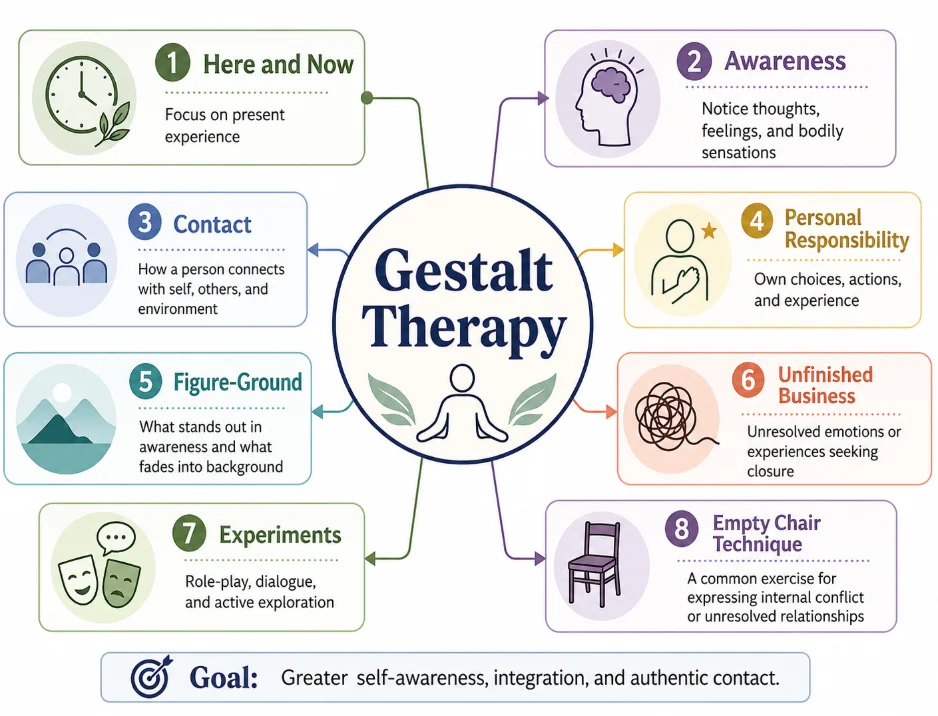
- Gestalt Therapy: A powerful approach that focuses on the “here and now,” helping you gain awareness of your current feelings and behaviors rather than just analyzing the past. You can learn more about how we utilize Gestalt therapy here.
- EMDR Therapy: If your depression is rooted in unresolved past traumas, childhood emotional neglect, or adverse childhood experiences, Eye Movement Desensitization and Reprocessing (EMDR) can help your brain properly process these stuck memories, lifting the depressive weight they cause.
- Cognitive and Behavioral Coaching: Providing you with practical, day-to-day tools to challenge the intense negative self-talk and worthlessness that depression causes.
You Deserve to Feel Like Yourself Again
Whether you are suffering from the exhaustion of severe burnout or the crushing weight of Major Depressive Disorder, living in a constant state of depletion is no way to live. The human brain has an incredible capacity for neuroplasticity—it can heal, it can rewire, and the heavy fog can lift.
Our clinic is dedicated to providing you with the right tools to overcome these obstacles. We offer in-person sessions at our Edmonton office, as well as secure online therapy services for all Alberta residents, ensuring you can access high-quality care even on the days when leaving the house feels impossible.
Take the first, bravest step toward your recovery. Explore our full range of therapy services or call us today at 780-433-2269 to schedule a confidential appointment. Let us help you determine exactly what you are facing, and more importantly, how to beat it.
